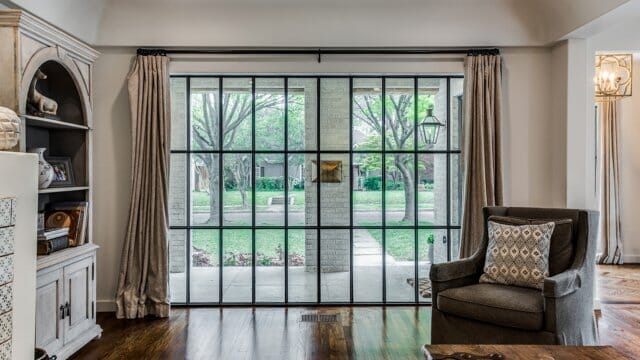
Specifying Steel Windows: Technical Considerations for Architects and Designers
At Cotswold Windows, we work alongside architects and designers as technical glazing specialists. Our role is not to influence the architectural vision, but to help translate it into a compliant and refined glazing solution – often revealing possibilities within steel systems that are not immediately apparent.
This article outlines the key areas where specialist glazing expertise can add value for architects when specifying steel windows and doors, opening up new design possibilities and architectural potential.
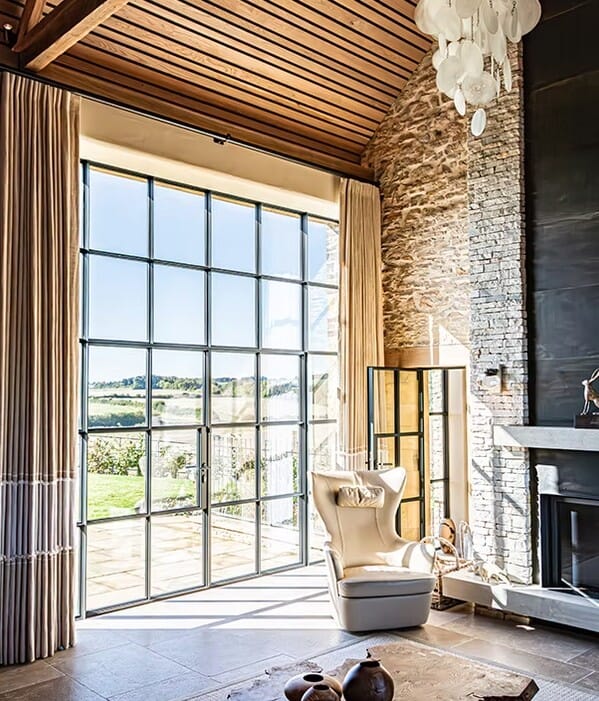
1. Aesthetic choice: achieving the desired look without limiting the specification
Designers specify steel because of its inherent qualities: minimal sightlines, strong vertical and horizontal emphasis, and a visual aesthetic that sits comfortably in both heritage and contemporary contexts.
Where architects can benefit from specialist input is in understanding how far modern steel systems can be pushed visually, without compromising performance or compliance.
For example:
- Achieving a traditional Crittall-style aesthetic using thermally broken steel, rather than poor performance legacy systems
- Maintaining extremely slim sightlines across large elevations or tall openings
Modern systems such as MHB Steel Windows & Doors allow architects to preserve the purity of steel detailing while meeting current building standards. This opens up opportunities that might otherwise be dismissed too early in the design process, as Daniel Gore of Tyack Architects told us in a recent interview:.
“We’d been struggling to find a Crittall-style window system with good thermal performance. MHB Steel is a good solution as it offers the same look, but with thermal breaks and high security – two of the main considerations for glazing today.”
Read the full interview about how Tyack Architects and Cotswold Windows have worked together to overcome some of the challenges in modern-day building design.
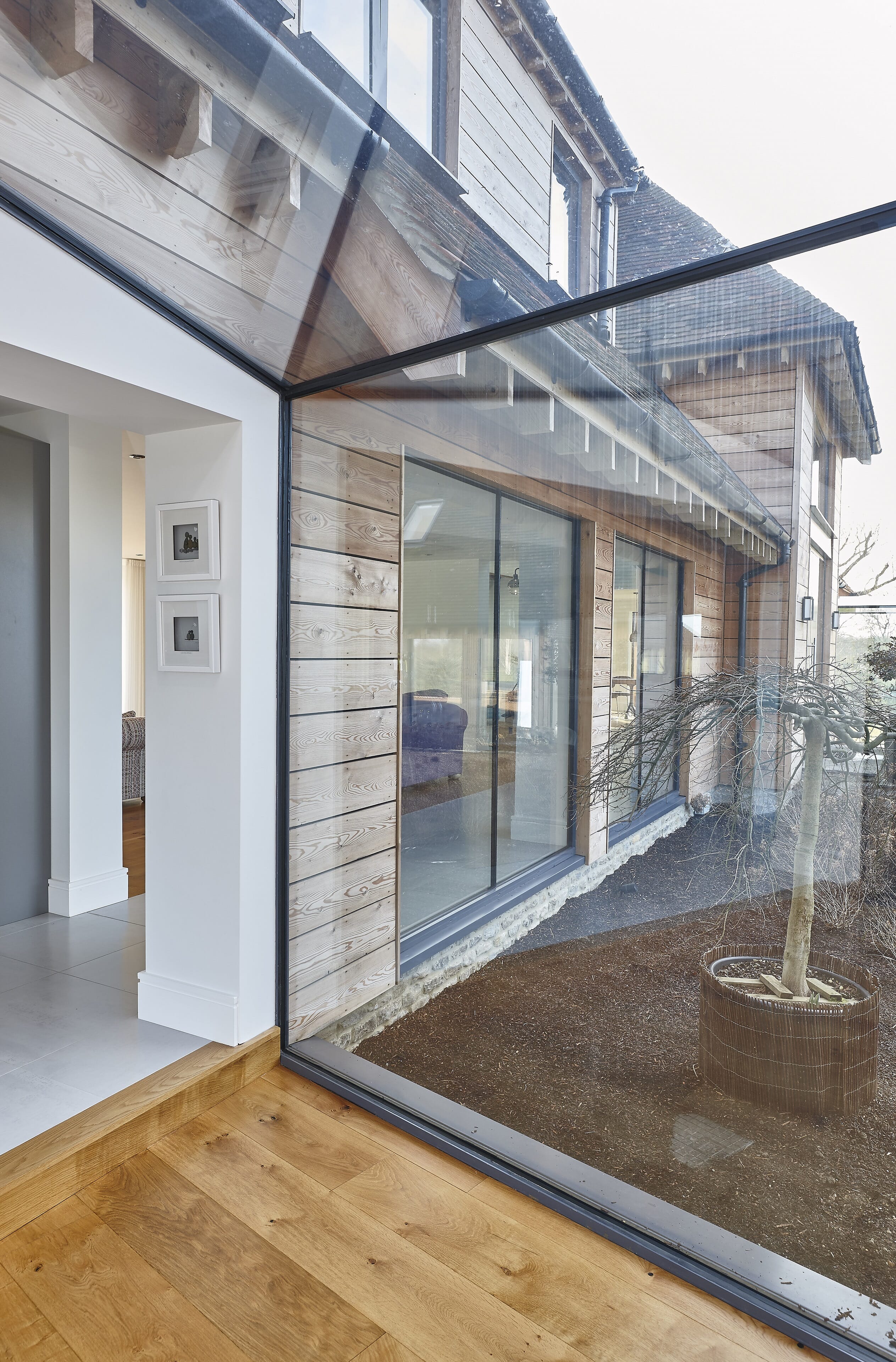
2. Performance: when steel is no longer the weak link
Historically, steel windows were associated with poor thermal performance. This perception still influences specification decisions, even though it is no longer accurate.
High-quality, thermally broken steel systems such as MHB Steel windows and doors now deliver:
- Competitive U-values suitable for modern residential projects
- Excellent air tightness and weather resistance
- Compatibility with advanced glazing units, including solar control and acoustic glass
- Easy maintenance – modern powder coating does not need painting every few years unlike older window types
The value of glazing expertise here lies in matching system capability to project intent – ensuring steel is specified where it performs well, and detailing junctions, thresholds and interfaces correctly so the system performs as designed once installed. For more about the compliance of steel windows, read Are Heritage Steel Windows Compliant With Building Regulations?
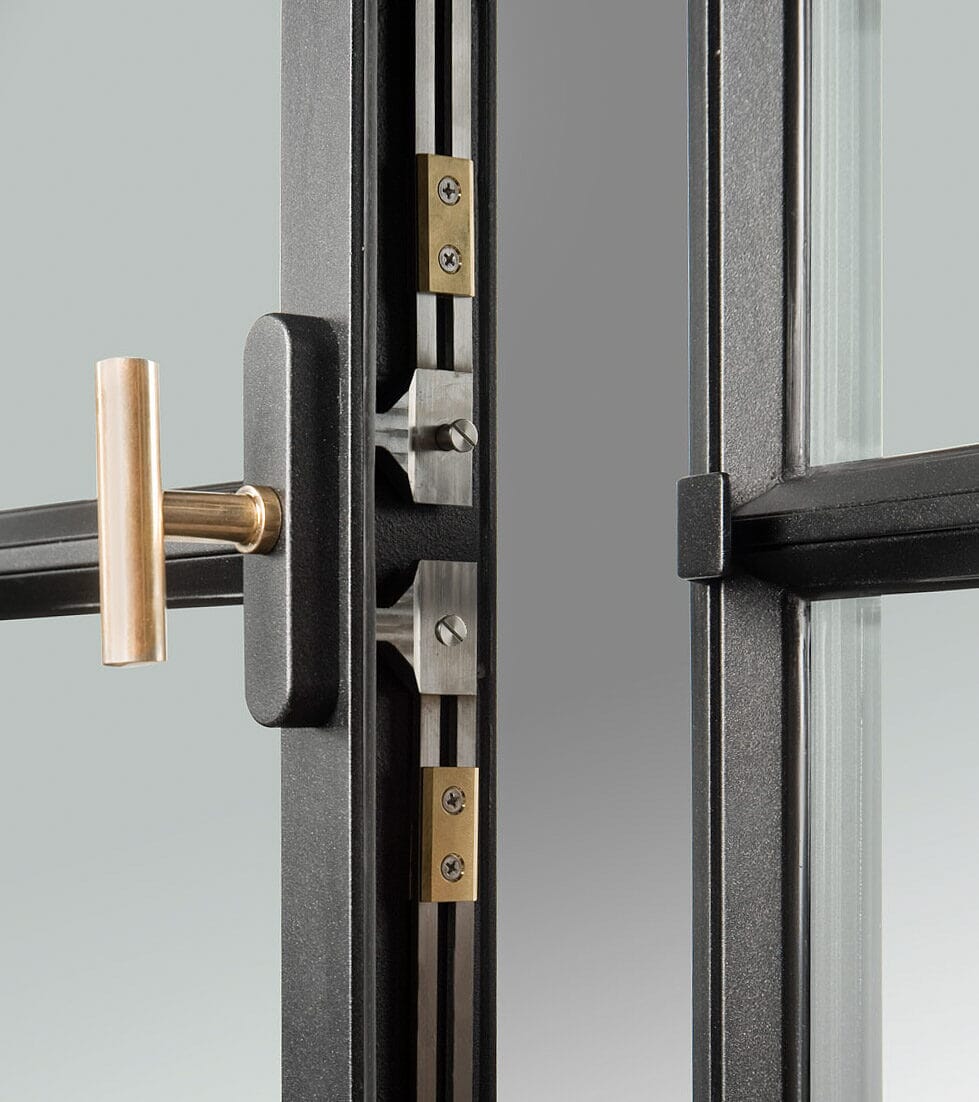
3. Security: integrating protection without compromising design
For many high-end residential projects – especially for high profile VIP clients – security is a critical part of the brief. The challenge for architects is integrating enhanced protection without introducing visual heaviness or disrupting the façade.
Modern steel systems can incorporate:
- Laminated, bullet-resistant glazing
- High-security locking and hardware
- Outward-opening garden doors that can only be operated from inside
- Discreet reinforcement without increasing visible profile dimensions
This allows architects to meet demanding security requirements while preserving the clarity and elegance that steel glazing is chosen for in the first place. For more about security performance, take a look at our blog MHB Steel Windows & Doors: Strength, Style and Security.
4. Coatings and finishes: more than a colour choice
Steel finishes are often treated as a late-stage aesthetic decision, but they play a significant role in durability, longevity and overall architectural quality.
Specialist glazing advice is particularly valuable when projects require:
- Enhanced corrosion resistance (for exposed or rural environments)
- Specialist performance coatings
- Bespoke colours or finishes that integrate with surrounding materials
- Premium architectural finishes where steel becomes a feature element
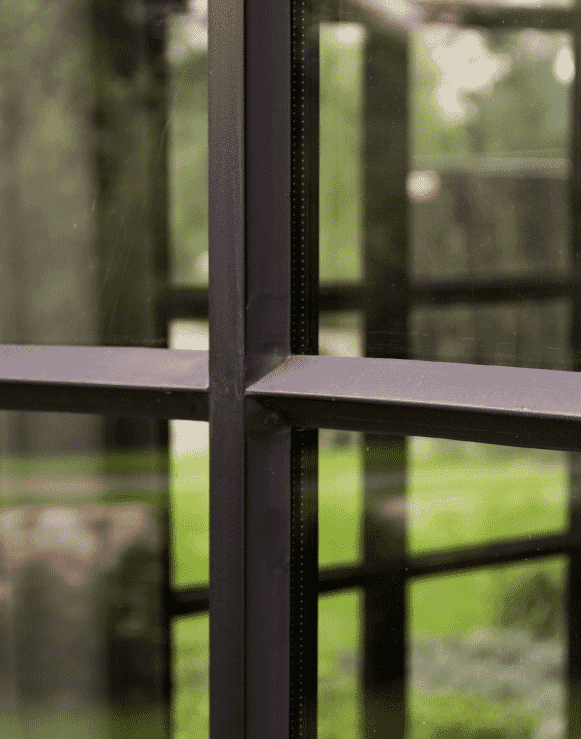
Premium steel systems such as MHB Steel offer an unusually wide range of coating options – including their specialist, hand-applied artisan finish, the Rembrandt coating, inspired by the Dutch master and made using actual particles of precious metals such as bronze and brass. This enables architects to specify steel that performs technically while contributing meaningfully to the material palette of the building.
5. Bespoke architectural glazing systems: where specialist expertise matters most
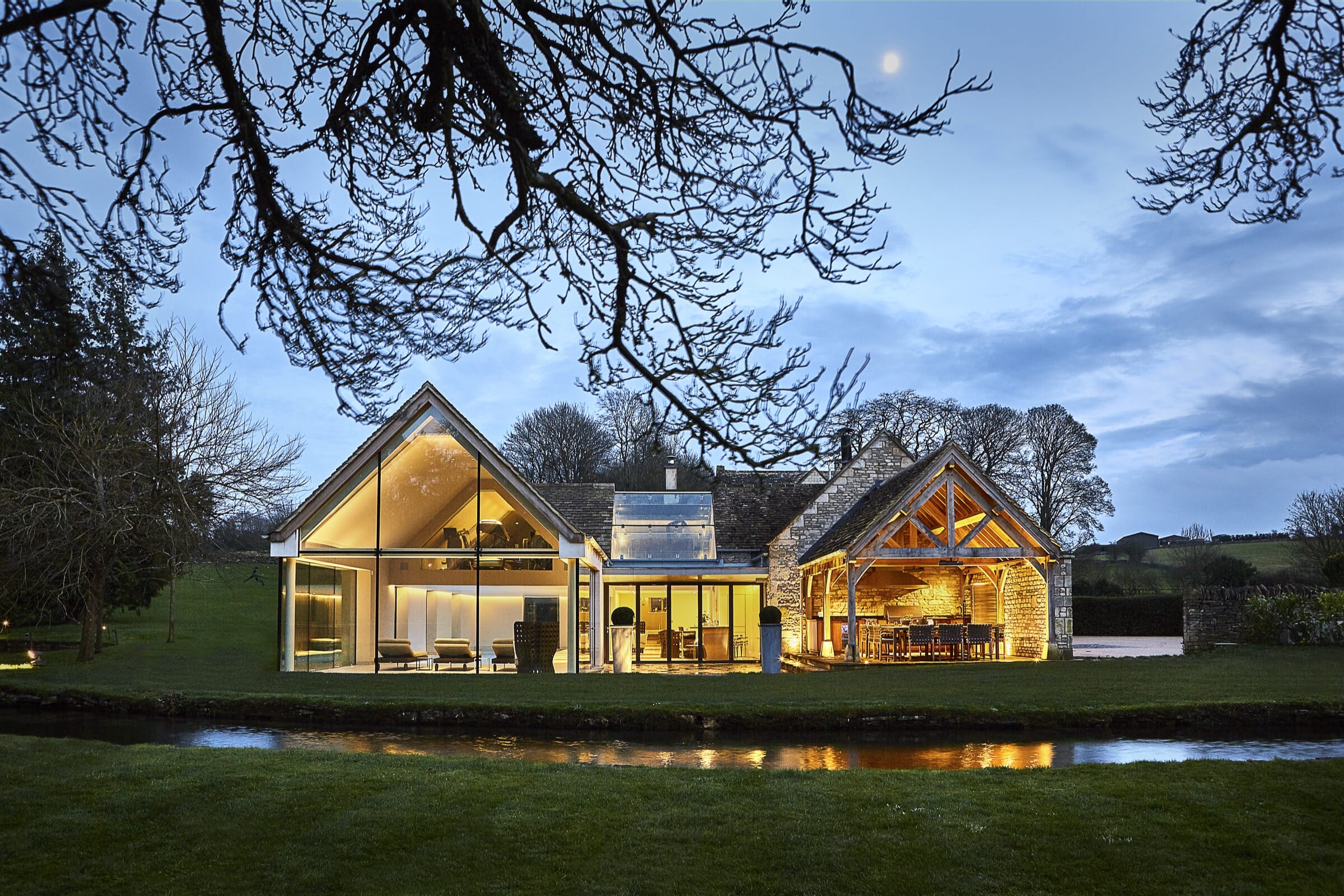
For complex glazing projects, specialist glazing input is invaluable. Architects often develop concepts where off-the-shelf glazing solutions don’t apply, such as where glass windows meet glass roofs or double-height glazing with demanding structural and performance requirements.
At this stage, the architect’s vision is clear, but realising it requires detailed technical development, system knowledge and engineering coordination. Cotswold Windows regularly works with architects to explore what is possible, assess feasibility, and develop bespoke architectural glazing solutions that respect the original design intent while remaining buildable and compliant.
This collaborative role was echoed in our recent interview with architect Andrew Inchley of Yiangou Architects, who highlighted the importance of working with specialists who can ‘push conventional glazing boundaries’:
“On one of our projects, we wanted to try out some new things and were continually asking ‘Can we do this? Cotswold Windows were very much involved in the design process because I had to understand exactly what the product was capable of and whether it would fit into the details that I was drawing.”
Read the full interview here about how Yiangou Architects and Cotswold Windows have worked together to open up new glazing design possibilities for clients.
6. Early collaboration: easy compliance, more creativity
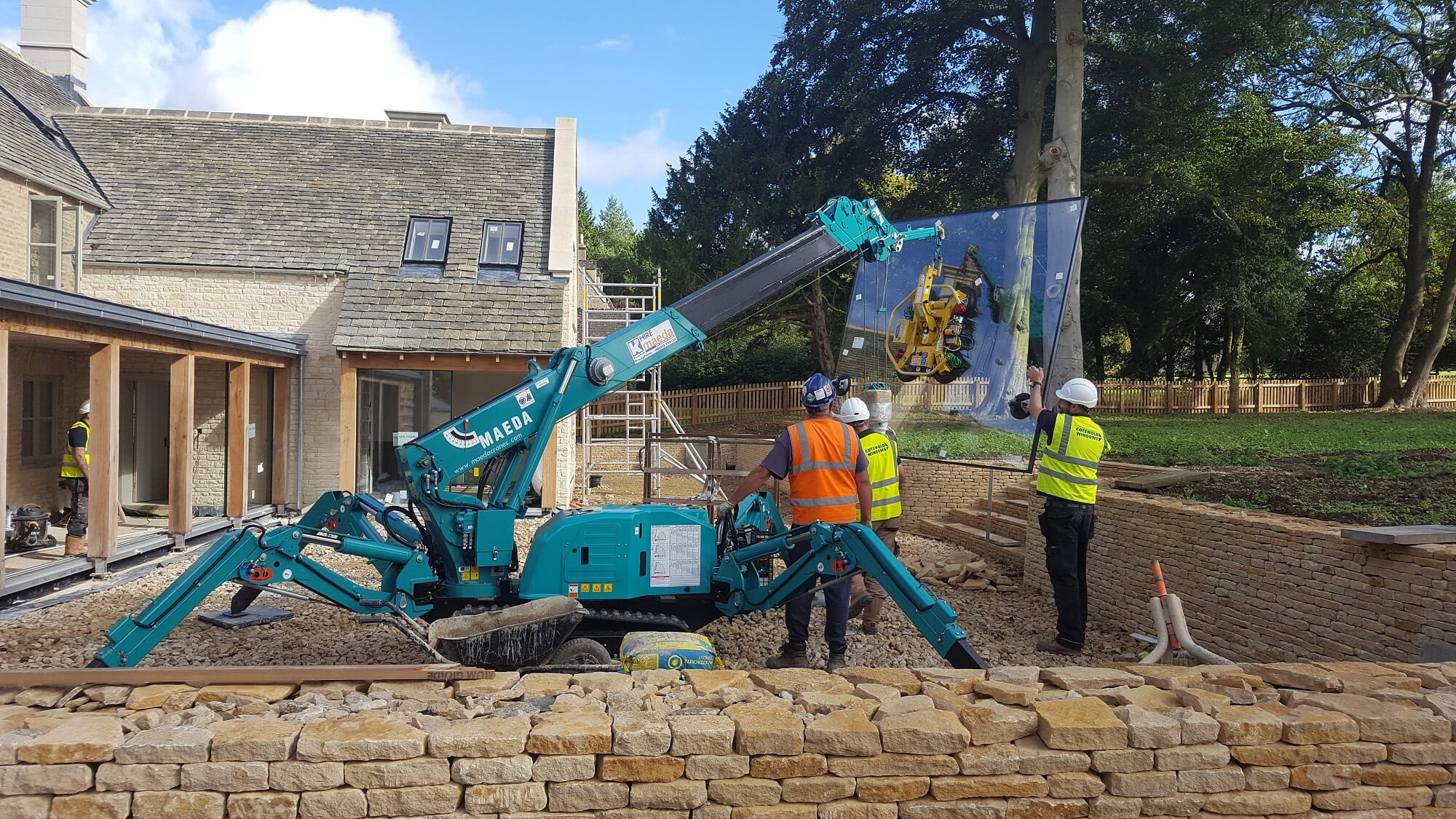
The most successful steel glazing projects tend to share a common approach: early collaboration.
By engaging a specialist glazing partner during the design and specification stages, architects gain:
- Early clarity on feasibility and constraints
- Confidence in performance and compliance
- Support with complex junctions and interfaces
- Reduced risk during construction
- A built result that aligns closely with the original architectural intent
Rather than limiting creativity, the right technical input at this stage often expands the range of solutions available.
FAQs: Specifying Steel Windows
1. Are modern steel windows compliant with current thermal regulations in the UK?
Yes, modern steel windows are compliant with thermal regulations in the UK. Thermally broken steel systems – such as MHB’s SL30-ISO® – are fully compliant, often exceeding Part L requirements and achieve competitive U-values without increasing profile thickness. This makes steel suitable for new-build homes, contemporary extensions and even many conservation projects where thermal efficiency is closely assessed.
2. Can steel windows be used in conservation areas or listed buildings?
In many cases, yes, steel windows can be used in conservation areas and listed buildings, provided the system can accurately reproduce heritage sightlines while meeting performance expectations. MHB Steel offers ultra-slim 30 mm profiles and configurable glazing bars, enabling architects to present a compliant, visually appropriate alternative to original steel or timber windows, as well as modern efficiency.
3. Are steel windows secure enough for high-end residential projects?
Absolutely. Modern steel frames are inherently strong and can accommodate advanced glazing such as laminated security glass or full blast-resistant specifications. Additional benefits include reinforced locking systems and design options like internal-only access outward-opening doors (e.g., MHB Garden Doors). This allows architects to meet demanding security briefs without compromising aesthetics.
4. How large can steel-framed windows or doors be?
Thanks to the rigidity of steel, modern systems can support tall or wide formats that would be challenging in aluminium or timber. MHB’s profile engineering allows for oversized glazing units, slender mullions and multi-panel configurations with minimal deflection. Cotswold Windows frequently works with architects on bespoke solutions where scale and structural complexity require project-specific engineering.
5. What maintenance do steel windows require compared to aluminium or timber?
High-quality steel windows with modern coatings require very little maintenance. Powder-coated or specialist-finished steel resists corrosion extremely well, especially when specified correctly for the building’s environment. Routine cleaning is typically sufficient. Unlike timber, steel will not warp, and unlike aluminium, it offers superior rigidity and the ability to use slimmer profiles without compromising durability.
