MHB vs Crittall: Which Steel Window System is Better for Modern Homes?
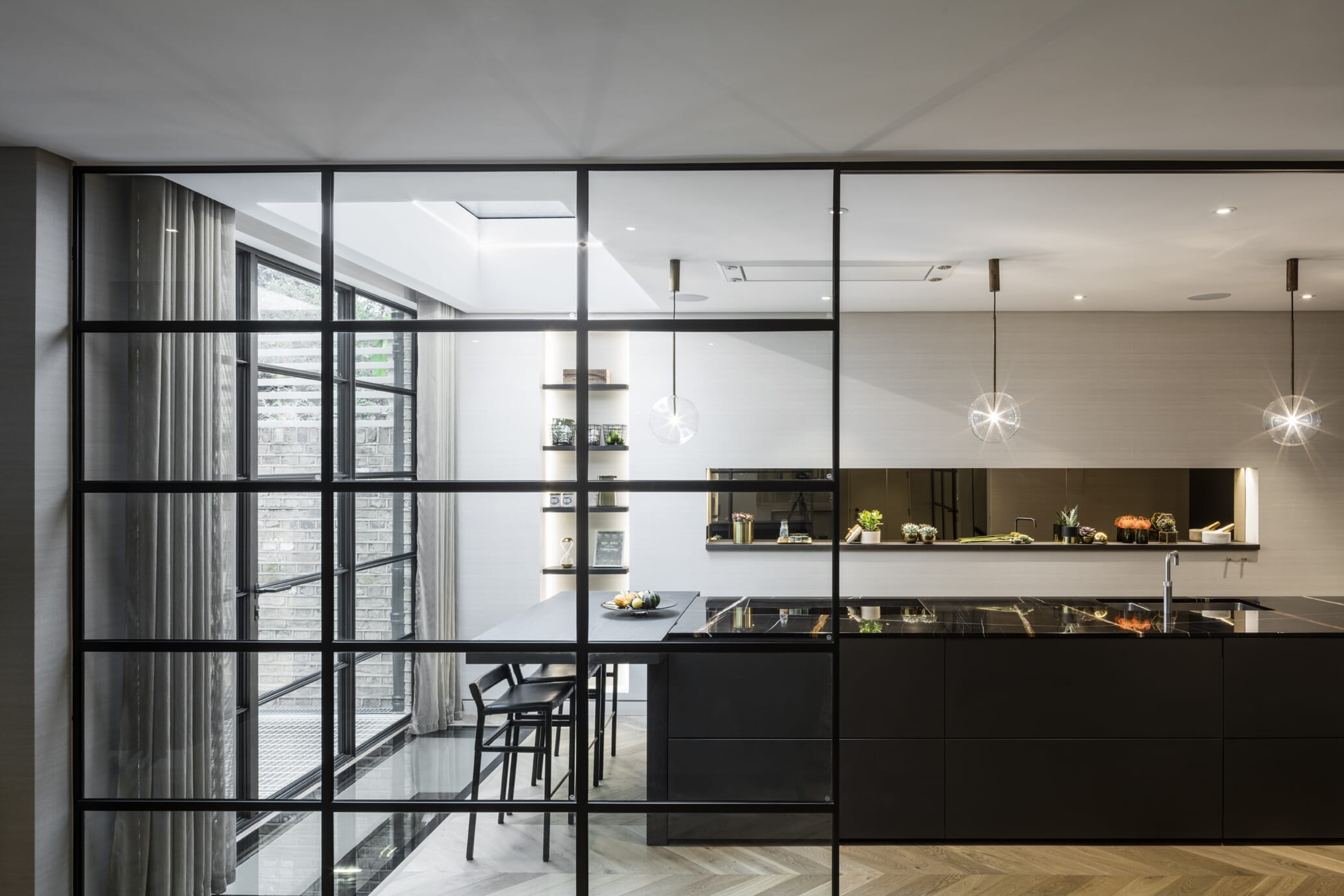
Yet today’s architectural steel windows have evolved significantly. Modern systems such as MHB deliver the same refined steel aesthetic associated with traditional steel windows, while offering a level of thermal performance and engineering designed for contemporary homes.
Understanding the difference between these systems is key when specifying steel glazing for modern projects.
The legacy of traditional steel windows
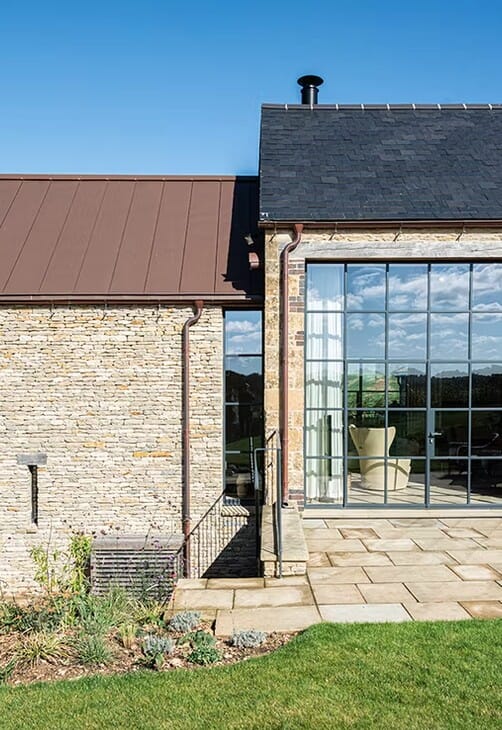
Traditional steel window systems became popular in the early twentieth century because steel offered something other materials could not: exceptional strength combined with very slim sightlines.
This allowed architects to create larger glazed openings with delicate framing, a look that remains highly sought after today.
Many heritage buildings and period homes still feature original steel windows, and these can be an important part of architectural character.
However, most traditional systems were developed in a time when energy efficiency was not a primary consideration. As a result, many older steel window designs have little or no thermal insulation within the frame.
In modern homes, this can create challenges in meeting contemporary energy performance standards.
Why thermal performance matters today
Modern homes are designed to meet increasingly demanding energy efficiency standards under Part L of the Building Regulations. These regulations focus on reducing heat loss, improving insulation and ensuring buildings operate more efficiently.
Steel, as a material, naturally conducts heat. Without careful engineering, this can lead to thermal bridging, where heat travels through the frame and escapes the building.
In practical terms, this can result in:
- Higher heat loss
- Lower overall energy efficiency
- Increased risk of condensation around frames
- Difficulty meeting regulatory U-value requirements
For architects and homeowners working on contemporary projects, this means that not all steel window systems perform equally. Find out more on the energy compliance of steel windows and doors in our blog Are Heritage Style Windows Compliant With Building Regulations?
How MHB solves the performance challenge
Modern systems such as MHB steel were designed specifically to address the thermal limitations of traditional solid steel windows.
Unlike many older steel systems, MHB solid steel profiles incorporate advanced thermal break technology within the frame.
A thermal break acts as an insulating barrier between the inner and outer sections of the steel profile. This prevents heat transferring through the frame and significantly improves overall performance.
The result is a steel window system that delivers:
- Excellent thermal insulation
- Compliance with modern building regulations
- Reduced risk of condensation
- Improved comfort within the home
Importantly, these technical improvements are achieved without compromising the slim steel aesthetic that architects value.
MHB vs traditional steel windows: at a glance
While many steel window systems appear similar visually, the engineering behind them can differ significantly.
| Feature | Traditional Steel Window Systems | MHB Steel |
| Thermal break | Typically none | Advanced integrated thermal break |
| Building regulation compliance | Can be challenging to meet Part L requirements | Designed to meet modern regulations |
| Thermal performance | Higher heat loss through frame | Significantly improved insulation |
| Sightlines | Slim steel profiles | Ultra slim, solid steel profiles |
For architects and homeowners, this comparison highlights how modern steel systems retain the aesthetic appeal of traditional steel windows while addressing the performance expectations of contemporary buildings.
Are MHB steel windows better than Crittall?
This is a question many homeowners and architects ask when researching steel windows. The answer depends largely on the requirements of the project.
Traditional steel window systems, including Crittall, remain an important part of architectural heritage and are often used in period renovations and conservation projects where maintaining historical accuracy is a priority.
However, for many contemporary glazing projects, architects are drawn to the design freedom that comes with thermally broken solid steel systems such as MHB steel.
Because MHB profiles incorporate advanced thermal break technology, they are designed to:
- Meet modern Part L Building Regulations
- Reduce heat loss through the frame
- Improve overall energy efficiency
- Minimise condensation risk
- Support larger glazing panels and contemporary architectural designs
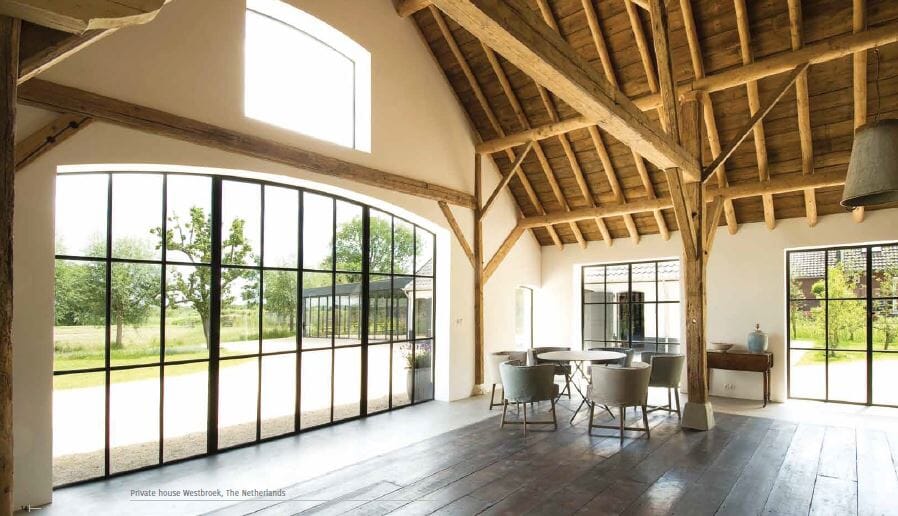
In essence, MHB steel systems retain the slender aesthetic associated with traditional steel windows, while delivering the performance required for modern residential buildings.
For architects specifying glazing today, this combination of heritage-inspired design and advanced engineering is often what makes modern steel systems particularly compelling.
Design freedom with modern steel systems
Beyond performance, modern steel systems also provide architects with greater flexibility in design.
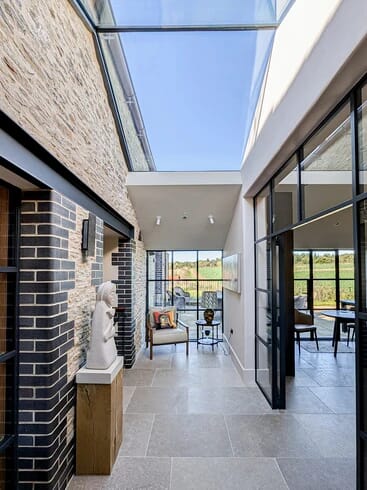
MHB systems are engineered to support large panes of glass and expansive openings, making them well suited to contemporary architecture where light and connection to the landscape are central design priorities.
This allows designers to create:
- Large glazed screens
- Minimal steel-framed doors
- Internal steel partitions
- Oversized pivot or sliding openings
The strength of steel remains one of its greatest advantages, but modern engineering allows it to be used in ways that better suit the needs of today’s homes. Read more about specifying steel windows and doors for your project in our blog Specifying Steel Windows: Technical Considerations for Architects and Designers.
Choosing the right steel window system
For homeowners and architects exploring steel windows, the most important question is not simply which brand to choose, but which system best suits the performance requirements of the building. You can find out more in our guide, Premium Steel Windows and Doors: What to Look For in a Premium Product.
Traditional steel windows remain an important part of architectural heritage, particularly in restoration and conservation contexts. However, for many contemporary homes and extensions, modern thermally broken steel systems offer a more suitable solution. They deliver the same refined aesthetic associated with classic steel windows, while meeting the energy efficiency standards expected of today’s buildings.
Steel windows designed for modern living
At Cotswold Windows, we specialise in advanced glazing systems that combine architectural beauty with exceptional performance.
As a UK partner for MHB, we work closely with architects, designers and homeowners to specify solid steel window systems that meet both the aesthetic and technical demands of each project.
Contact us to discuss options for your next glazing project.
