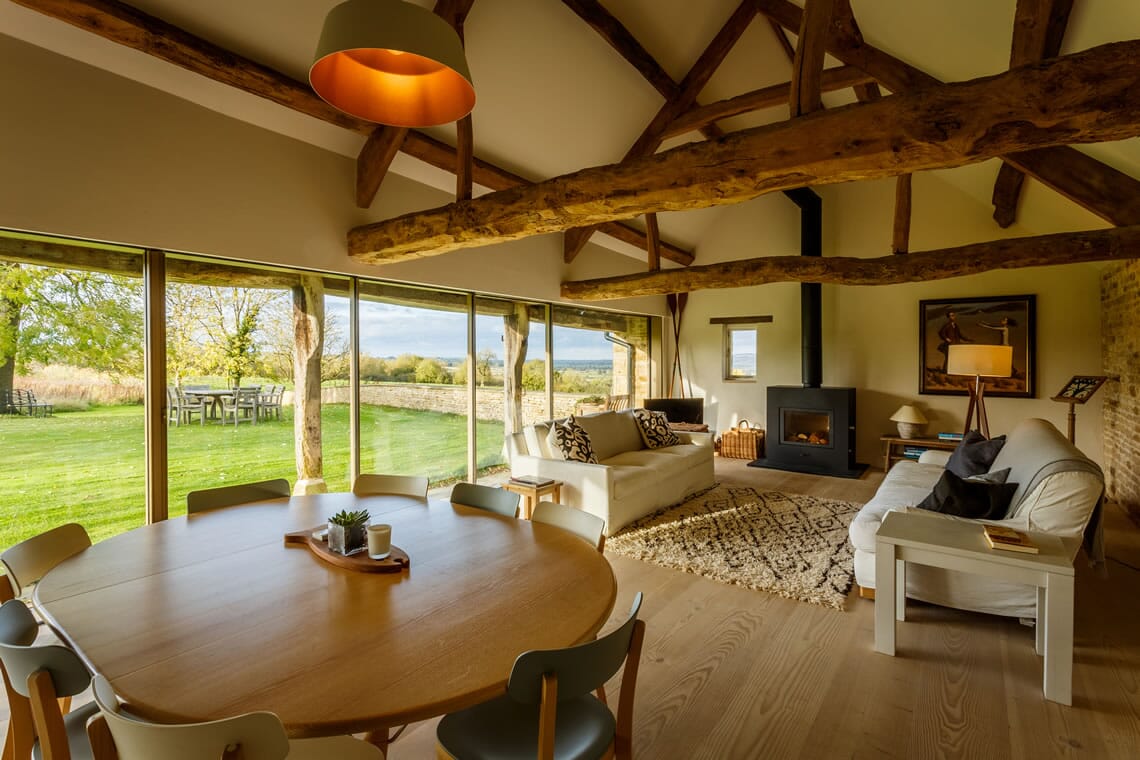
A Guide to Fitting High-Performance Glazing Systems
Why it's what you don't see that matters most...
High-performance glazing is often judged by what it allows us to see – uninterrupted views, minimal frames and clean architectural lines. Yet the success of these systems depends far less on what is visible, and far more on the technical decisions made behind the scenes. For architects, builders and engineers alike, it is these hidden considerations – structure, weathering, thermal performance and movement – that determine whether a glazing system truly performs over the life of a building.
At Cotswold Windows, a significant part of our role is focused on precisely those unseen details – the specifying and fitting considerations that ensure a project not only looks exceptional on day one, but continues to perform for decades. These considerations are rarely visible to the end user, but they are fundamental to how glazing systems are specified, detailed and fitted.
Whether you’re fitting to stone, steel, brick or timber, here are some of the details that need to be considered at the earliest stages of the design process.
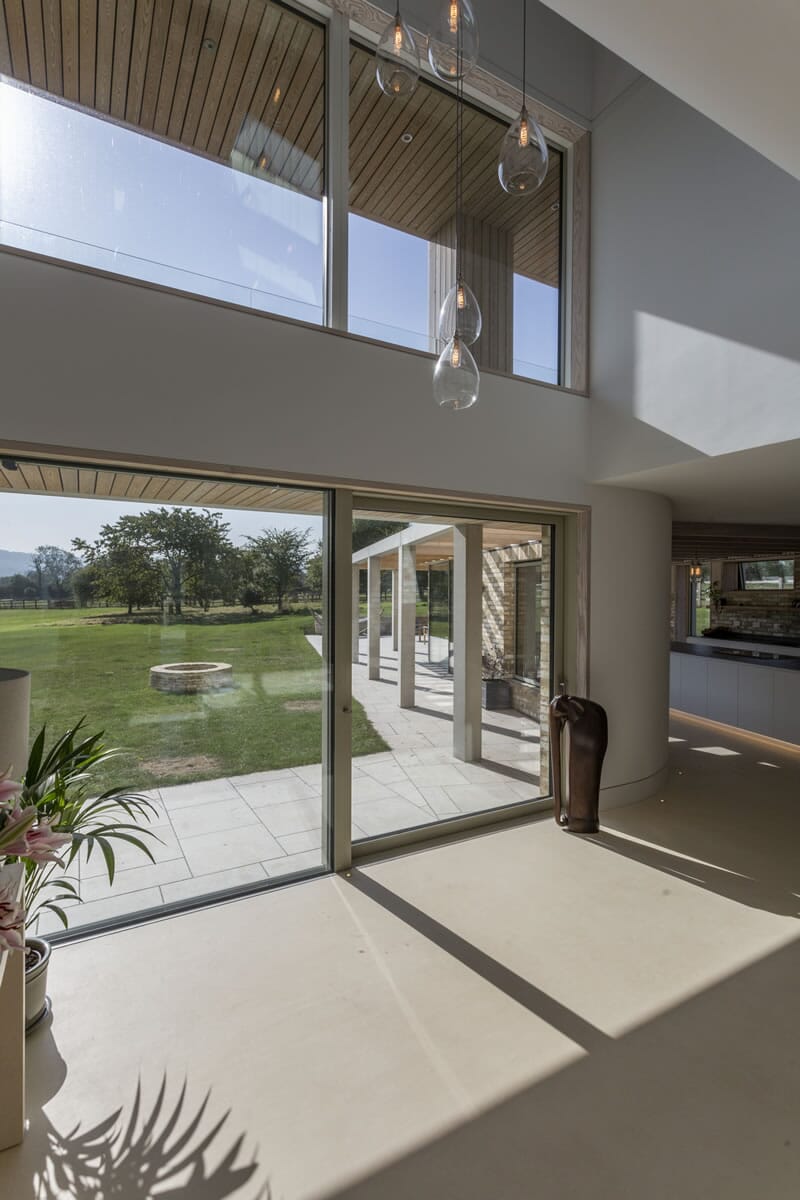
Performance begins at the connection
The success of glazing lies in how it connects to the building fabric. Depending on the material, there are different connection details to take into account which will help to prevent condensation risks and, ultimately, building deterioration.
- Are you using SIP panels or is this a traditional cavity wall construction?
- If it is a cavity wall, where is that cavity positioned?
- Is that cavity closed, ventilated, or insulated?
- How is ventilation or drainage from that cavity being managed?
Depending on the situation, glazing specialists will apply a vapour barrier or membrane. However, there are different types of membrane to consider – a waterproof membrane stops the water and the weather completely, while an internal vapour barrier acts a bit like a Gore-Tex coat, protecting against the weather while still being breathable. This mitigates the chances of condensation within the building envelope, which is essentially what leads to deterioration of a building, whether it’s stone timber or steel. For more on this, take a look at our blog, What causes condensation on windows and how to prevent it.
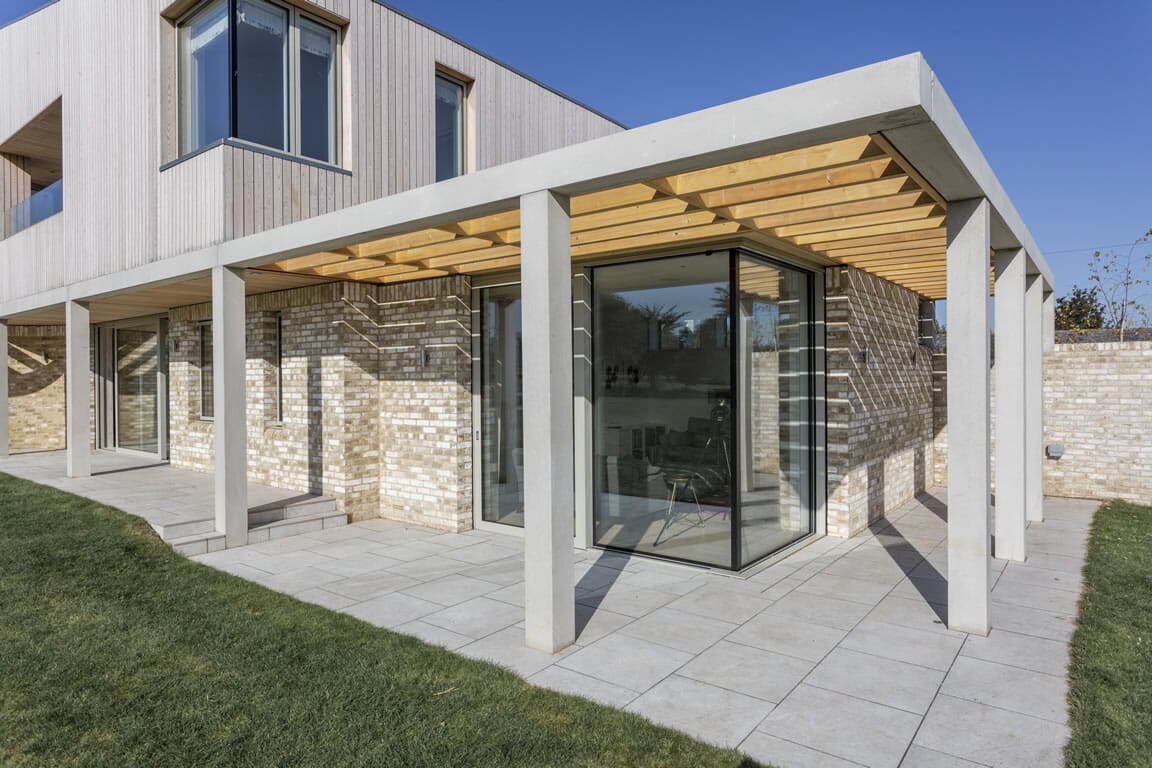
Managing cold bridges and steelwork
Many buildings will require steelwork, and this raises a number of other questions to contend with as steelwork can be a weak point when it comes to weather proofing.
When you put a steel across a cavity, it creates a ‘cold bridge’. This means there is the risk of heat transferring, which can be damaging for the building and a point for condensation. So it is important to factor in details to mitigate this.
Mitigating this requires:
- Careful thermal break detailing
- Correct insulation around steel penetrations
- Coordinated drainage strategies within cavities
Each scenario presents unique challenges – from cavity ventilation and insulation placement to damp proof course alignment – all of which must connect precisely to the glazing system.
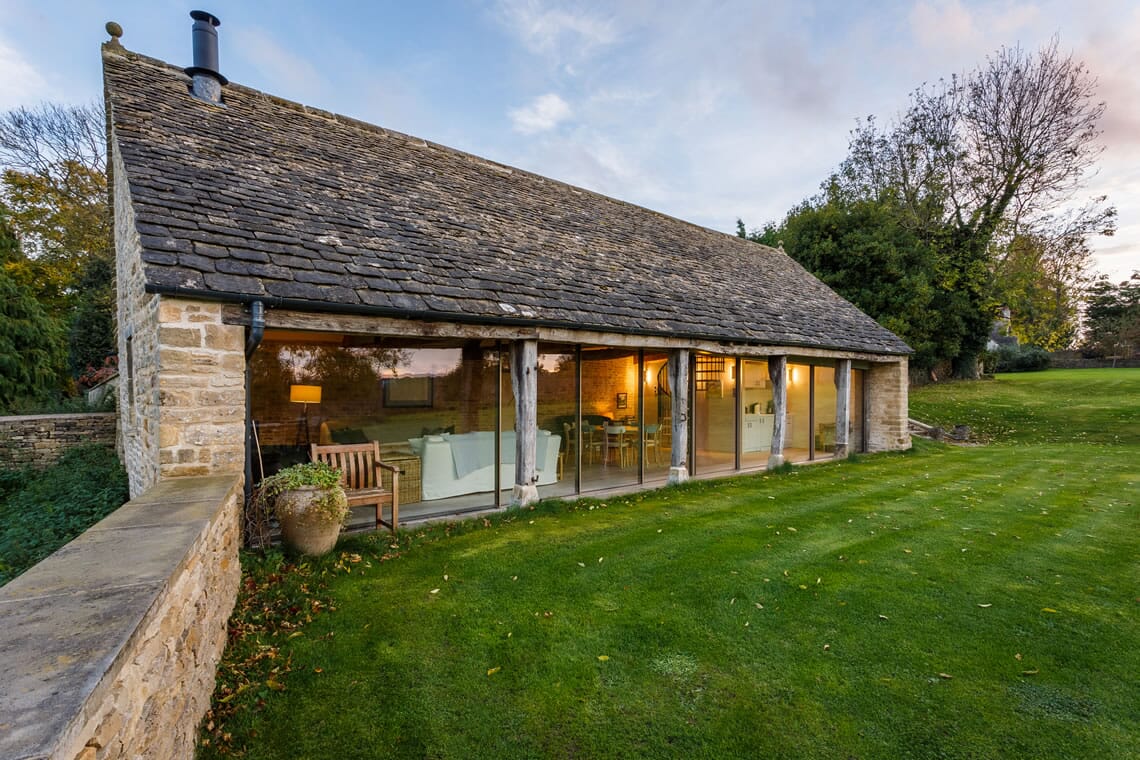
Getting it right at design stage
To get the fitting considerations right takes a collaborative effort, with architects and structural engineers as well as home owners. But it is all part of the design process. Once a client has their heart set on ‘I want those doors’, it is up to the glazing experts to work with the architect to do the background tasks to make sure the provisions are there for the frames to fit correctly. Not only that they fit correctly but also that they function correctly.
This means checking that:
- Structural openings are correctly sized and supported
- Fixings are sufficiently secure to the building
- Insulation is in the correct voids to prevent condensation
- The correct weatherproofing system is in place
- Frames are able to accommodate movement without failure
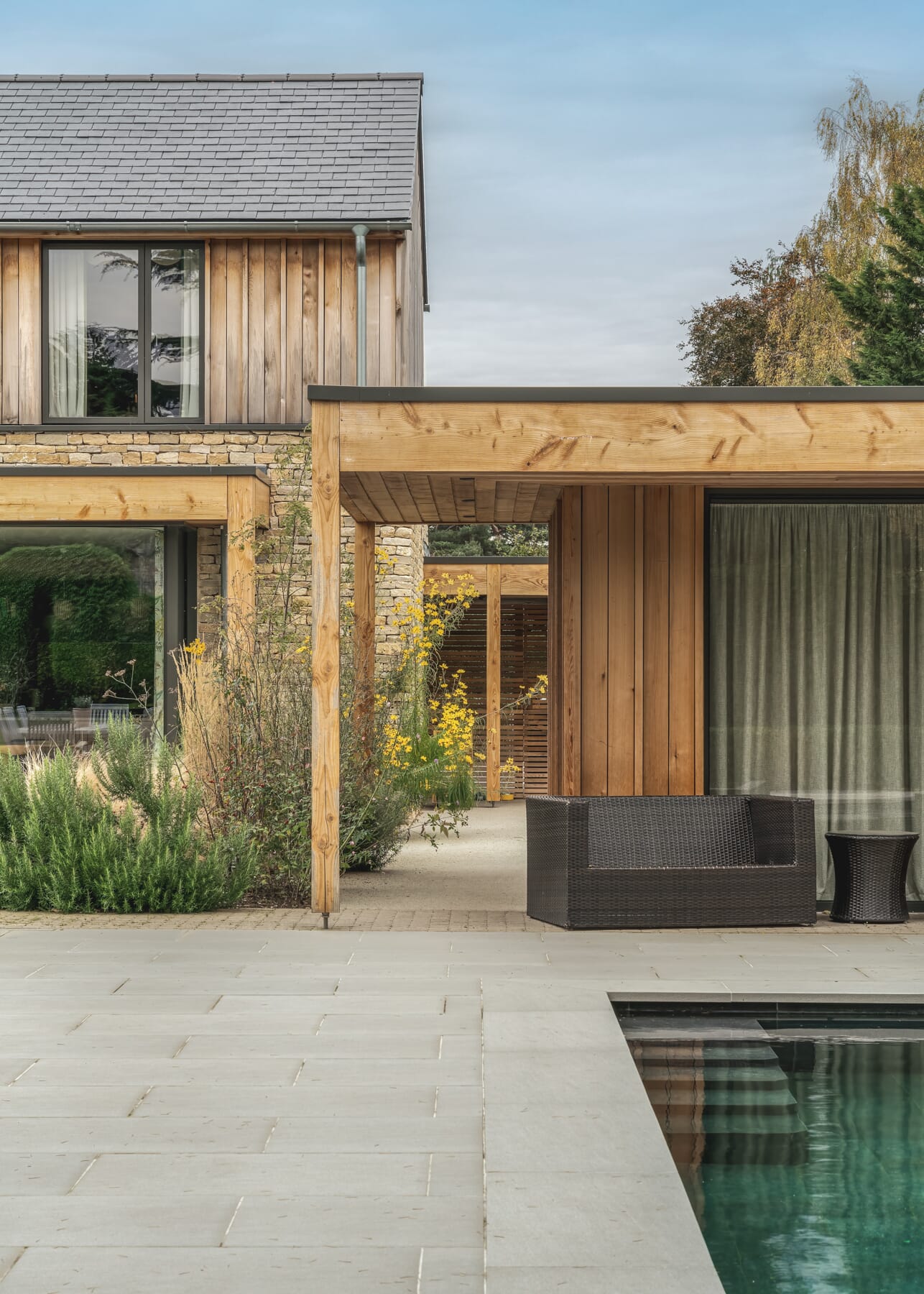
Structural considerations to avoid deflection
Large-scale glazing is highly sensitive to even minor deflection. When you’re dealing with ultra-precise, minimal systems, even small changes in the building can have a catastrophic effect if they’re not accounted for.
Structural considerations for fitting include:
- Wind loads – has the environment been taken into consideration?
- Physical loads – what material is the roof/ building construction?
- Dynamic loads – what changes might take place that could affect the load – for example, a sedum roof will be heavier in winter than summer; is the weight of snow going to be a factor in the harsher months?
All these factors need to be considered when doing the design work: a steel beam that bows by only a few millimetres under load can compromise the smooth operation of a frameless sliding system – unless that movement has been anticipated and designed for. For more on this take a look at our blog, Weather performance and testing for architectural glazing.
A fitting checklist: a structured approach to certainty
To manage this complexity, Cotswold Windows follows a rigorous internal process – a comprehensive checklist applied to every Sky-Frame and MHB Steel project. This process is used consistently across projects to reduce risk, improve coordination and ensure long-term performance.
This checklist covers, among other things:
- Cold air drops
- Frame Water Drainage
- Building connections
- Glass pressure compensation
- Thermal loading of glass
Working with architects, designers and structural engineers at this stage adds value to a project. Addressing these complex fitting and connecting considerations at this early stage reduces uncertainty – and potentially costly alterations – further down the line.
Fitting expertise: adding value you cannot see
At Cotswold Windows, we understand what it takes to specify and fit high-performance, ultra-precise glazing systems such as Sky-Frame and MHB Steel. Systems that will last and bring enjoyment for decades – if they are specified correctly at the earliest stage of a project.
We are always happy to work with architects to offer fitting and detailing advice. Please get in touch to discuss your next project, particularly at early design and detailing stages.
